
February is Heart Health Month, and while conversations often focus on diet, exercise, and medical care, emotional wellness plays an equally important role in overall health. For older adults, strong relationships and social connection can significantly support both emotional well-being and cardiovascular health.
In independent senior living communities, opportunities for friendship, companionship, and shared experiences help foster a lifestyle that supports both independence and connection.
Research continues to show that social connection has a measurable impact on physical health. Seniors who maintain meaningful relationships often experience:
These factors contribute directly to heart health and overall wellness. Feeling connected helps reduce isolation and supports a positive outlook on daily life
One of the greatest benefits of independent senior living communities is the built-in opportunity for social engagement. Everyday interactions help create a sense of belonging while allowing residents to maintain their independence.

Community environments often provide:
Comfortable gathering spaces
Shared dining experiences
Activity programs and social events
Opportunities for hobbies and interests
These simple interactions can naturally lead to friendships that enhance both emotional health and quality of life.
Heart health goes beyond physical activity. Emotional well-being plays a major role in how we experience aging. Positive relationships and regular social interaction can help:
For many seniors, community living helps create a balance between independence and support.
Relationships don’t only impact residents — they provide reassurance for families as well. Knowing a loved one has regular social interaction, supportive neighbors, and a welcoming environment often brings peace of mind to adult children exploring senior living options.
A connected community allows families to focus more on quality time and less on daily concerns.
A common misconception about senior living is that independence decreases. In reality, many residents find that moving into a supportive community enhances independence by removing daily stressors while providing access to companionship and resources.
When social opportunities are built into everyday life, seniors often feel more confident, engaged, and supported.

Heart Health Month is a great time to remember that emotional connection, friendships, and community play a meaningful role in overall wellness. Strong relationships support both physical and emotional health at every stage of life.
Senior living communities like Fellowship Homes in Modesto help foster environments where independence, connection, and well-being can thrive together.

February is widely recognized as Heart Health Month, making it a perfect time to talk about the many ways emotional and physical wellness work together. One often overlooked contributor to heart health for seniors is the companionship of pets.
For many older adults, pets provide comfort, routine, connection, and motivation to stay active. In pet-friendly senior living communities, this companionship can enhance both emotional well-being and overall quality of life.
Research has consistently shown that spending time with animals can positively impact cardiovascular health. Seniors who have pets often experience:

Even simple daily interactions — petting a cat, walking a dog, or caring for a small animal — can support relaxation and emotional balance, both important factors for heart health.
Pets naturally encourage consistent daily routines. Feeding times, walks, grooming, and play create structure that helps seniors maintain a healthy rhythm to their day.
These routines often lead to:
For seniors in independent senior living communities, this gentle structure supports both independence and wellness.
Emotional health is closely connected to physical health, especially for older adults. Pets offer companionship without pressure, providing comfort during transitions or quieter periods of life.
Many seniors find pets help:
These emotional benefits can significantly enhance overall quality of life.

February often brings thoughts of Valentine’s Day — flowers, cards, shared meals, and memories built over a lifetime. For many seniors in Modesto and throughout California’s Central Valley, this time of year isn’t just about romance. It’s about connection, friendship, family, and traditions that have shaped decades of life.
In a senior living community, those traditions continue in meaningful ways. Celebrating shared experiences supports emotional wellness, strengthens social connections, and contributes to overall heart health — an important focus during Heart Health Month.
Here in Modesto, local traditions carry a special sense of nostalgia. Many longtime residents remember the era celebrated in American Graffiti, the classic film inspired by Modesto’s cruising culture. For some seniors, those Friday night drives downtown, school dances, and early romances were part of growing up in the Central Valley.
These memories reflect more than nostalgia — they represent connection, belonging, and shared experiences that still resonate today. Community traditions like local Graffiti events continue to remind residents of friendships, first dates, and lifelong partnerships formed right here in our hometown.
Maintaining these connections to local history can help seniors feel grounded, valued, and emotionally supported.

Research consistently shows that social connection plays a vital role in both emotional and physical health for older adults. Seniors who maintain strong relationships often experience:
Independent senior living communities in Modesto and the Central Valley naturally encourage connection through shared meals, social events, and opportunities for friendship. These everyday interactions help reduce isolation while maintaining the independence seniors value.
Heart health isn’t just about diet and exercise. Emotional connection, companionship, and a sense of belonging all contribute to cardiovascular health and overall quality of life.
Strong social connections can:
A supportive senior living environment can help residents stay engaged, confident, and connected — all factors that contribute to wellness.
Pets have a special way of making a house feel like home. For many older adults, animals provide companionship, routine, and a sense of purpose that enhances everyday life. Whether it’s a dog greeting you in the morning or a cat curled up nearby, pets can bring comfort and connection that support overall well-being.
Pets offer steady companionship without expectations or pressure. Their presence can help reduce feelings of loneliness and create a comforting sense of connection throughout the day.
Simple moments—like sitting together, talking to a pet, or enjoying quiet time—can bring calm and reassurance that supports emotional wellness.
Encouraging Healthy Routines
Caring for a pet naturally supports daily structure. Feeding times, walks, and play create gentle routines that help keep days balanced and purposeful.
Pets can encourage:
These routines often feel enjoyable rather than demanding.

Emotional and Mental Well-Being
Spending time with animals has been shown to support emotional health. Pets can help reduce stress, improve mood, and create moments of joy through simple interaction and affection.
For many seniors, pets provide comfort during quiet moments and companionship during transitions or changes in life.
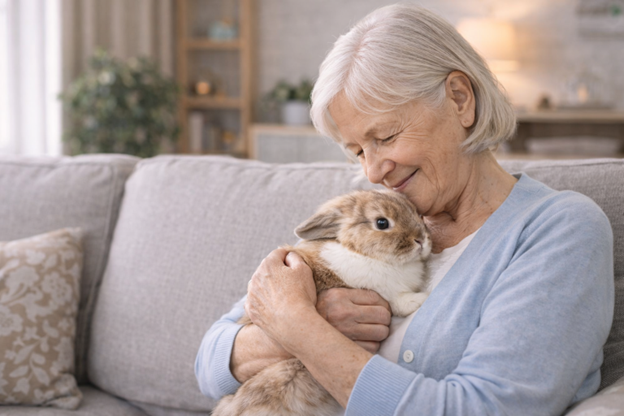
Spending time with animals has been shown to support emotional health. Pets can help reduce stress, improve mood, and create moments of joy through simple interaction and affection.
For many seniors, pets provide comfort during quiet moments and companionship during transitions or changes in life.
Having a pet to care for can bring meaning to everyday life. Small tasks—like refilling a water bowl or brushing fur—offer moments of connection and purpose that can make each day feel more fulfilling.
Pets also bring laughter and lightness, often becoming beloved members of the family.
Pets often help spark conversation and social interaction. Whether it’s chatting with neighbors during a walk or sharing pet stories with friends, animals naturally create opportunities for connection.
These shared experiences can help strengthen relationships and build community.
Pets offer more than companionship—they provide comfort, routine, and unconditional connection. For older adults, the presence of an animal can support emotional wellness, daily structure, and a greater sense of joy in everyday life.
As parents age, many families find themselves navigating new questions and emotions. Adult children want to ensure their loved ones are safe, supported, and happy—while also respecting their independence and personal choices. Finding the right balance can feel overwhelming, but it doesn’t have to be.
Peace of mind comes from knowing that support is available without taking away autonomy or dignity.
Conversations about support often begin gradually. It may start with noticing changes in routines, energy levels, or daily needs. For many families, the goal isn’t to step in and take over—it’s to understand how to offer help in a way that still honors independence.
Open, respectful dialogue helps:
When everyone feels heard, decisions become less intimidating.
Independence doesn’t disappear with age—it simply evolves. For some, independence means having help with certain tasks while continuing to make personal choices. For others, it means living in a setting where support is nearby if needed.
True independence includes:
Supportive environments can enhance independence rather than limit it.
Many adult children juggle careers, families, and caregiving responsibilities at the same time. Worrying about a loved one’s safety or well-being can take an emotional toll.
Peace of mind often comes from knowing:
This reassurance allows families to focus more on quality time and less on concern.
A setting that supports both independence and connection can help seniors feel confident and secure. When routines, community, and support work together, daily life feels more manageable and enjoyable.
For families, this balance creates reassurance. For seniors, it creates comfort and confidence. Everyone benefits when support feels natural and respectful.
Supporting an aging loved one isn’t about giving up independence—it’s about redefining it together. With thoughtful planning and the right environment, families can find peace of mind while seniors continue to live with confidence, dignity, and choice.

Community and connection play an essential role in overall well-being at any age. As we grow older, meaningful social interaction becomes even more important—not just for emotional health, but for physical wellness, confidence, and quality of life.
Staying connected helps individuals feel supported, engaged, and valued. Whether through conversation, shared activities, or simply spending time with others, community creates a sense of belonging that enriches daily life.
Regular social interaction helps reduce feelings of loneliness and isolation, which can impact mood and mental health.
Simple connections can:
Even small moments—like a friendly conversation or shared laugh—can make a big difference.
Community naturally supports daily structure. Having people to connect with encourages individuals to stay active, engaged, and present throughout the day.
Social routines might include:
These touchpoints add purpose to the day and help establish healthy rhythms.

Feeling part of a community fosters confidence and independence. When individuals know they are supported, they often feel more comfortable being themselves, trying new activities, and staying engaged.
Belonging helps:
Strong social connections remind people that they are not navigating life alone.
Community doesn’t have to be loud or busy to be meaningful. For some, it’s lively conversation and group activities. For others, it’s quiet companionship or familiar faces nearby.
Healthy community allows for:
The most important part is having opportunities for connection when they’re wanted.
A supportive environment helps remove the barriers that can make socializing feel difficult. When connection is built into daily life, it becomes easier to stay engaged without pressure or effort.
Over time, these shared experiences help create a sense of home, trust, and comfort—key elements of aging well.
Staying connected isn’t just about being social—it’s about feeling seen, supported, and included. Community brings warmth, purpose, and joy to everyday life, making each day feel a little brighter.

You’ve worked hard for your savings — protect it with confidence.
Financial scams are increasingly sophisticated, targeting seniors through fake investment opportunities, phone calls, or even manipulative relationships.
Robert, 78, was approached with a “can’t-miss investment” that promised to double his money. Before writing a check, his daughter looked up the company — and discovered it didn’t exist. Their quick thinking saved Robert from losing thousands.
At Fellowship Homes Senior Living, we value your independence and your security. Through education and community support, we help residents live confidently — every day.
You’ve worked hard for your savings — protect it with confidence.
Financial scams are increasingly sophisticated, targeting seniors through fake investment opportunities, phone calls, or even manipulative relationships.
Robert, 78, was approached with a “can’t-miss investment” that promised to double his money. Before writing a check, his daughter looked up the company — and discovered it didn’t exist. Their quick thinking saved Robert from losing thousands.
At Fellowship Homes Senior Living, we value your independence and your security. Through education and community support, we help residents live confidently — every day.
 Don’t Pick Up Trouble: Phone Safety Tips for Seniors
Not every call deserves an answer.
Phone scams are among the most common tricks targeting older adults. Scammers pretend to be from trusted organizations, or even family members, to pressure you into sending money or personal information.
Ellen, 80, received a call saying her grandson had been arrested and needed bail money. The caller insisted she act immediately and keep it secret. She almost wired the funds but remembered a presentation at her senior center about this exact scam. Ellen called her grandson, who was safe at home.
Top 3 Phone Safety Tips
At Fellowship Homes Senior Living, we’re dedicated to keeping residents safe, from scam calls to everyday concerns. Together, we look out for one another.

At Fellowship Homes Senior Living, we believe that community starts with family. Our blog is dedicated to sharing stories, insights, and helpful tips that reflect the heart of our community here in Modesto, CA — a place where residents, loved ones, and caregivers are all part of the family. Whether you’re supporting a parent, grandparent, or simply exploring senior living options, we’re here to walk alongside you every step of the way across Stanislaus and San Joaquin Counties.
Family-Focused Senior Living Tips
Get practical guidance on how families can support loved ones in transitioning to independent living, building routines, and staying healthy — together.
Life at Fellowship: Family, Friends & Community
Experience the joy of community life at Fellowship Homes through stories, resident highlights, and events that bring families closer — from Sunday brunches to holiday celebrations.
Resources for Families & Caregivers
Find helpful tools and compassionate advice on having meaningful conversations, managing change, and creating lasting connections with the seniors you love.
The Fellowship Homes Blog is your go-to source for insights, stories, and tips about independent senior living. Located in Modesto, CA, our blog provides valuable information for seniors, their families, and caregivers across Stanislaus County and San Joaquin County.
Senior Living Tips
Stay informed with practical advice on transitioning to independent living, maintaining health and wellness, and staying active.
Community Highlights
Read about life at Fellowship Homes, from resident stories to special events that make our community unique.
Family Resources
Discover tools and strategies for families, including how to talk to aging parents, plan a move, and provide ongoing support.
