Memorial Day is a time for reflection, gratitude, and remembrance. It is a day dedicated to honoring the men and women who gave their lives while serving in the United States military.
For many older adults, Memorial Day holds deep meaning. Many seniors lived through historic moments in our nation’s past and remember the sacrifices made by family members, friends, and neighbors who served.
At Fellowship Homes Senior Living in Modesto, Memorial Day is an opportunity to pause, reflect, and honor the legacy of those who served our country.
Memorial Day is more than the start of summer. It is a time to remember those who made the ultimate sacrifice in service to our nation.
Many seniors have personal memories connected to military service, whether through their own experiences or through loved ones who served. These stories help keep history alive and remind us of the importance of honoring those who gave so much.
In a senior living community, sharing these memories allows residents to reflect together and recognize the sacrifices that shaped generations.
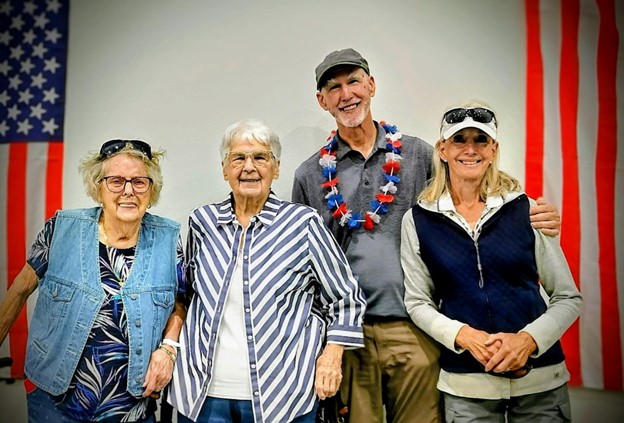
Moments of remembrance can be especially meaningful when shared with others. Memorial Day gives residents an opportunity to talk about history, reflect on the past, and support one another through shared understanding.
At Fellowship Homes independent senior living, residents often come together during holidays and community gatherings to reflect, connect, and honor meaningful traditions.
These shared moments help strengthen the sense of community that makes senior living environments supportive and welcoming.
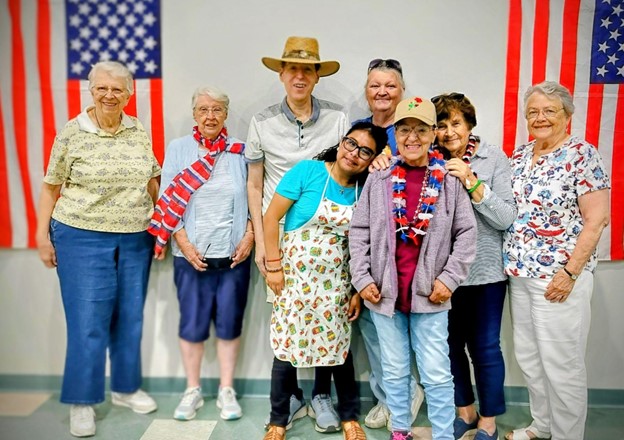
Memorial Day reminds us that freedom is built on the sacrifices of many. Recognizing and remembering those who served is an important tradition that continues to bring generations together.
At Fellowship Homes Senior Living in Modesto, we are proud to honor the legacy of those who served and to support a community where respect, reflection, and gratitude are part of everyday life.
May is Mental Health Awareness Month, a time to recognize the importance of emotional and mental well-being at every stage of life. For older adults, maintaining strong mental health can play a key role in overall happiness, independence, and quality of life.
At Fellowship Homes Senior Living in Modesto, we believe that a supportive community, meaningful activities, and daily social connections all contribute to healthy aging and mental wellness.
One of the most important factors in maintaining mental wellness is staying connected with others. Social interaction can reduce feelings of isolation and help older adults maintain a strong sense of belonging.
In a senior living community, residents have regular opportunities to spend time together through shared meals, conversations, and community events. These daily interactions help build friendships and provide emotional support that is essential for overall well-being.
At Fellowship Homes independent senior living, residents enjoy a welcoming environment where neighbors quickly become friends.
Mental wellness is also supported by activities that keep the mind active. Reading, games, creative hobbies, and group activities can help stimulate the brain and encourage continued learning.
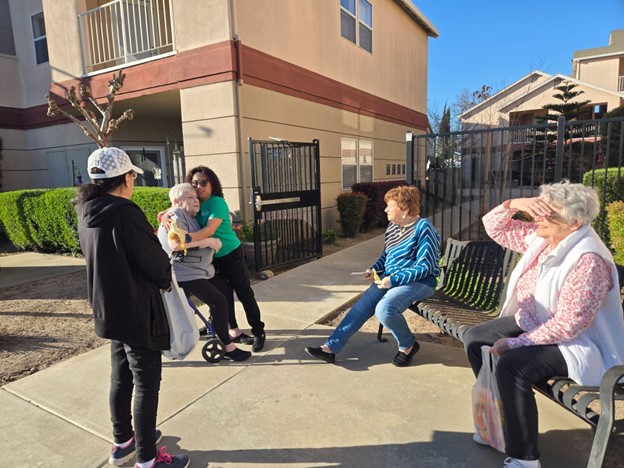
Our community regularly offers activities that allow residents to stay mentally engaged while enjoying time together. From social events to group gatherings, these experiences help residents stay connected and energized.
Structured routines can also support mental wellness. Having a daily rhythm that includes meals, activities, and social time helps create a sense of stability and purpose.
In an independent senior living community, residents can maintain their independence while still enjoying the benefits of a supportive environment and organized activities.
At Fellowship Homes Senior Living in Modesto, our goal is to provide a community where residents feel connected, supported, and empowered to live fully each day.
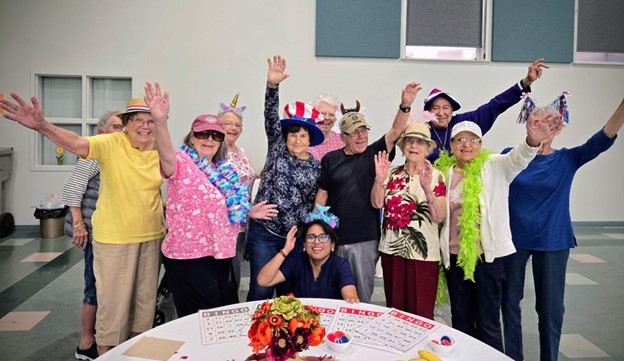
Mother’s Day is a special time to reflect on the women who helped shape our lives. Mothers and grandmothers pass down traditions, share wisdom, and create memories that last for generations. For many seniors, this holiday is a meaningful opportunity to celebrate family, love, and the stories that connect us all.
At Fellowship Homes Senior Living in Modesto, Mother’s Day is a time to honor the incredible women in our community while bringing families together to celebrate.
Mothers often play a central role in family traditions. From favorite recipes passed down through generations to holiday celebrations and everyday moments of care, their influence can be felt throughout our lives.
Many residents at Fellowship Homes enjoy sharing stories about raising their families, the lessons they learned along the way, and the memories that continue to bring smiles to their faces. These conversations allow generations to stay connected and remind us how important family history truly is.
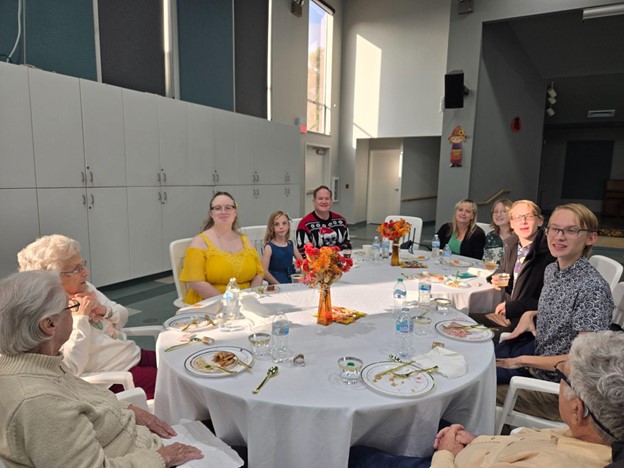
Mother’s Day is also a wonderful time for families to visit loved ones and spend quality time together. Independent living communities often become gathering places where children, grandchildren, and even great-grandchildren come together to celebrate.
At Fellowship Homes independent senior living in Modesto, families are always welcome to visit, share a meal, and enjoy time with the special women in their lives. These visits create joyful moments and strengthen the bonds between generations.
Community celebrations make Mother’s Day even more special. Residents enjoy opportunities to gather, share stories, and celebrate the women who helped shape their families and communities.
Whether it’s a simple conversation, a family visit, or a community event, these moments remind us that the love of a mother continues to inspire and guide us throughout our lives.
At Fellowship Homes Senior Living, we are grateful to celebrate the mothers and grandmothers who make our community so special.
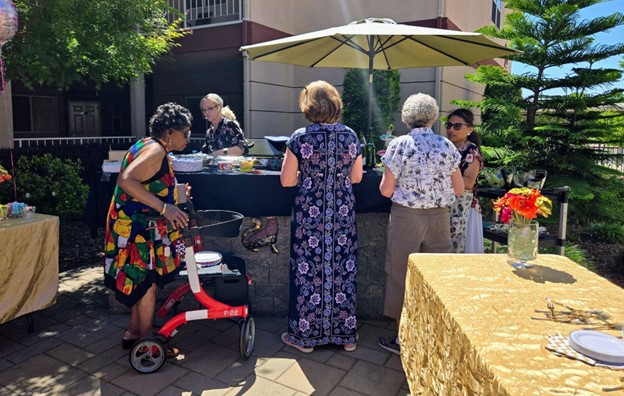
April is National Pet Month, a time dedicated to celebrating the joy, comfort, and companionship pets bring into our lives. For older adults, especially those in independent senior living communities in Modesto, CA, pets often provide much more than companionship — they support emotional wellness, encourage activity, and help create a sense of purpose.
At Fellowship Homes Senior Living, we recognize that companionship plays a vital role in healthy aging. Whether it’s a resident’s beloved pet, visiting therapy animals, or simply enjoying animals in the community, these connections can significantly enhance quality of life.
As we age, maintaining emotional wellness becomes increasingly important. Life transitions, retirement, relocation, or loss of loved ones can sometimes lead to feelings of loneliness or isolation. Pets offer unconditional companionship that helps fill those gaps.
Studies consistently show pets can help seniors:
For many seniors, a pet isn’t just an animal — it’s family.
Pets naturally encourage movement and structure, both of which are important for maintaining an active senior lifestyle in California.
Daily responsibilities like:
help seniors stay physically engaged and maintain healthy routines. Even small activities, like short walks or tossing a toy, contribute to mobility, cardiovascular health, and overall wellbeing.
Here in the Central Valley, our mild climate makes outdoor time with pets enjoyable year-round, which is an added benefit for seniors who want to stay active without strenuous exercise.
One of the most meaningful benefits pets provide is a sense of purpose. Caring for another living being fosters responsibility, routine, and emotional fulfillment.
Pets also offer:
Many seniors find their pets help them stay socially engaged as well — pets are natural conversation starters that encourage connection with neighbors and community members.
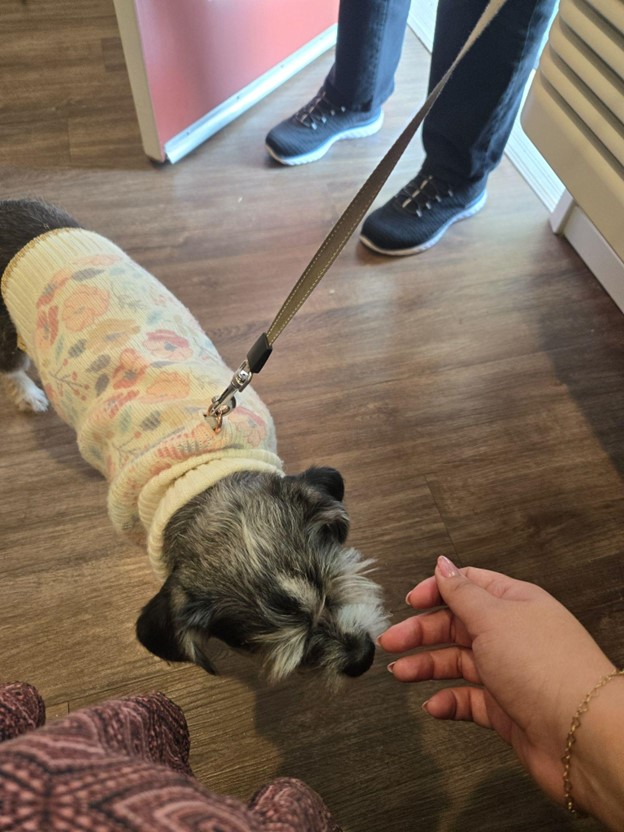
More and more communities today recognize the value of pet-friendly senior living in Modesto, CA. Policies that welcome pets — with appropriate guidelines — help residents maintain continuity and comfort during life transitions.
In senior living environments, pets may be part of the community in several ways:
Many independent living residents bring their furry companions with them when they move.
Organized visits from trained therapy animals provide comfort and joy, especially for residents who may not have pets of their own.
Pet meet-ups, themed activities, or outdoor social gatherings centered around animals help build community connection.
These experiences contribute to emotional wellness while creating opportunities for residents to bond with one another.

Living in California’s Central Valley offers unique benefits for pet lovers:
These factors make independent senior living especially appealing for residents who want to maintain an active lifestyle alongside their pets.
At Fellowship Homes Senior Living, our focus is always on supporting residents’ wellbeing, independence, and happiness. Companionship — whether through friendships, activities, or beloved pets — plays a key role in creating a vibrant community atmosphere.
We understand that pets can be an important part of life’s journey, providing comfort, joy, and connection at every stage.
Because senior living isn’t just about where you live — it’s about how you live.
April brings longer days, fresh blooms, and the perfect opportunity to celebrate National Garden Day — a reminder that growth, connection, and wellness don’t have an age limit. In senior living communities throughout Modesto and the Central Valley, gardening has become more than a hobby. It’s a meaningful way for older adults to stay active, connect socially, and continue nurturing the world around them.
At Fellowship Homes Senior Living in Modesto, we see firsthand how even small garden moments — watering plants, enjoying flowers on a patio, or sharing gardening tips — can create lasting happiness.
Gardening supports both physical and emotional wellness, making it an ideal activity in independent senior living environments. Studies consistently show that time spent around plants can reduce stress, improve mood, and encourage gentle physical movement.
For seniors, gardening offers:
Low-impact physical activity
Simple tasks like planting, watering, or pruning help maintain flexibility, coordination, and circulation without high strain.
Mental stimulation
Remembering plant care routines, seasonal cycles, and gardening techniques keeps the mind engaged.
Emotional wellbeing
Nature has a calming effect. Watching something grow fosters a sense of purpose and accomplishment.
Social connection
Gardening often becomes a shared experience — exchanging tips, stories, or even produce with neighbors.
These benefits align beautifully with the goals of an active senior lifestyle, especially in independent living communities where wellness and engagement are priorities.
Living in Modesto and surrounding Central Valley areas provides a unique advantage for gardening enthusiasts. With mild winters and sunny springs, seniors can enjoy year-round planting opportunities.
Popular senior-friendly plants locally include:
Gardening doesn’t have to mean large plots either. Container gardening, balcony plants, and indoor herb gardens make participation accessible for every mobility level.
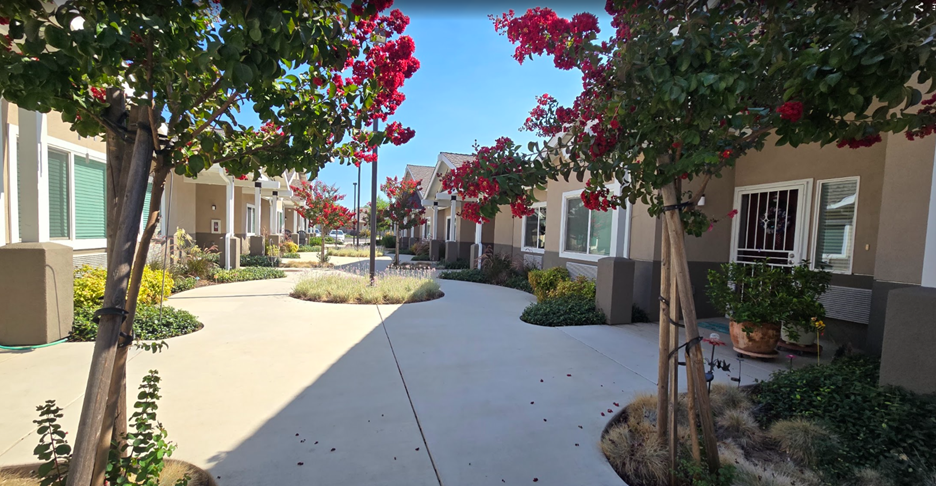
One of the biggest benefits of independent senior living in Modesto CA is having opportunities built into daily life. Gardening naturally supports:
Residents can engage at their own pace without pressure.
Shared spaces encourage conversation and friendships.
Plants personalize living spaces and add comfort.
Caring for plants creates positive daily structure.
At Fellowship Homes, residents often bring decades of gardening experience with them — from backyard vegetable gardens to flower beds they maintained for years. Sharing that knowledge keeps traditions alive while creating new community memories.
To keep gardening enjoyable and comfortable:
✔ Use raised beds or containers to reduce bending
✔ Garden during cooler morning or evening hours
✔ Stay hydrated — especially in warmer Central Valley weather
✔ Wear gloves for comfort and safety
✔ Choose lightweight tools with ergonomic handles
These simple adjustments help seniors continue enjoying gardening safely while maintaining independence.
Gardens often become gathering places. Conversations flow easily around flowers, herbs, and vegetables. For seniors, this type of casual interaction helps reduce loneliness and fosters meaningful relationships.
Gardening can also encourage:
This sense of shared purpose strengthens community bonds — something essential in senior living environments.
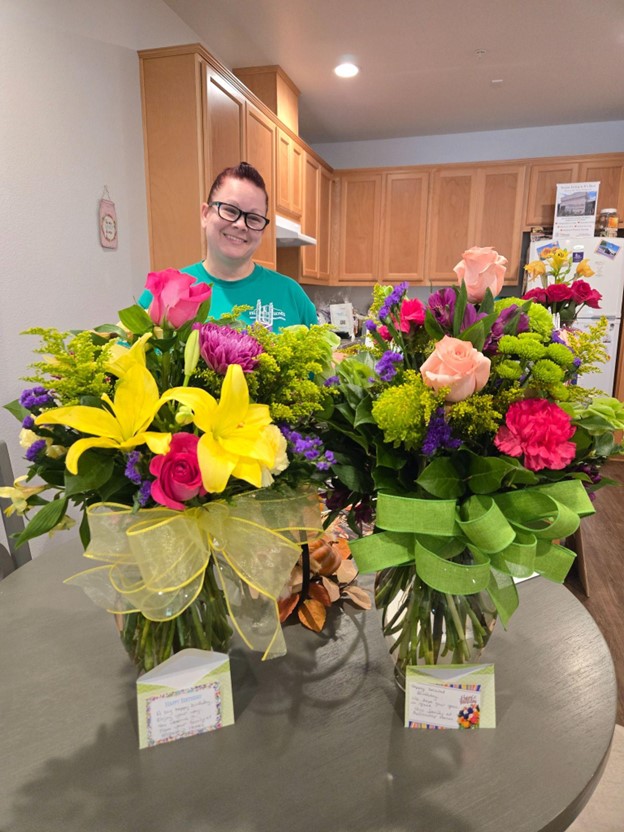
National Garden Day is ultimately about celebrating life, growth, and connection — values that align deeply with independent senior living.
At Fellowship Homes Senior Living in Modesto, we believe wellness comes from more than just amenities. It comes from:
Whether residents are lifelong gardeners or simply enjoy the beauty of fresh flowers, these small moments create a vibrant, supportive community.
If you or a loved one are exploring independent senior living in Modesto CA, Fellowship Homes offers a welcoming environment focused on connection, independence, and quality of life.
From engaging activities to comfortable living spaces, our goal is simple:
Help residents continue living fully, actively, and joyfully.
Because no matter our age, there’s always something new ready to grow.
March is National Nutrition Month, a time dedicated to understanding how healthy food choices support overall wellness. For older adults, nutrition plays an especially important role in maintaining energy, independence, and quality of life. In communities like Modesto and California’s Central Valley, access to fresh produce, strong social connections, and supportive environments can make healthy eating both enjoyable and sustainable.
For those exploring Senior Living in Modesto CA or already enjoying an Independent Senior Living Central Valley lifestyle, nutrition isn’t just about food — it’s about vitality, community, and long-term wellness.
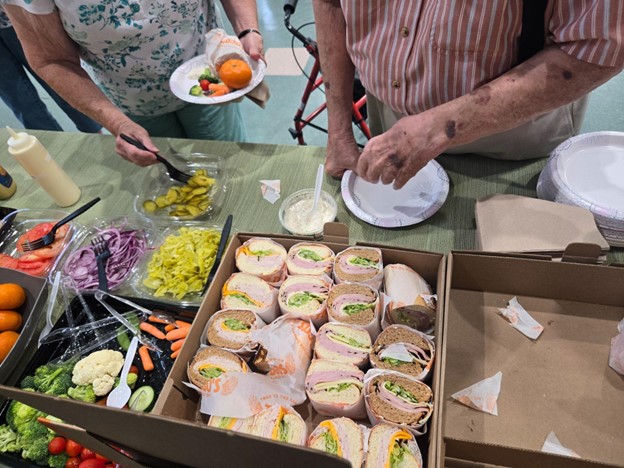
As the body changes with age, nutritional needs shift. Metabolism slows, muscle mass may decrease, and hydration becomes even more important. A balanced diet helps seniors:
These benefits contribute directly to an active senior lifestyle, helping residents stay independent, engaged, and confident.
In senior living communities, balanced meals and supportive social dining environments often make healthy habits easier to maintain than when living alone.
Living in Modesto and the surrounding Central Valley offers unique advantages when it comes to nutrition. This region is one of the most productive agricultural areas in the world, meaning fresh fruits, vegetables, nuts, and dairy products are often locally sourced and readily available.
Many seniors appreciate:
Access to these resources supports Independent Senior Living Central Valley residents in maintaining balanced diets without sacrificing enjoyment
One often-overlooked benefit of senior living communities is the social aspect of meals. Studies consistently show that seniors who dine socially tend to:
Shared meals foster connection, conversation, and a sense of belonging — all important factors in maintaining wellness. This type of Senior Community Engagement helps transform nutrition from a chore into an enjoyable daily experience.
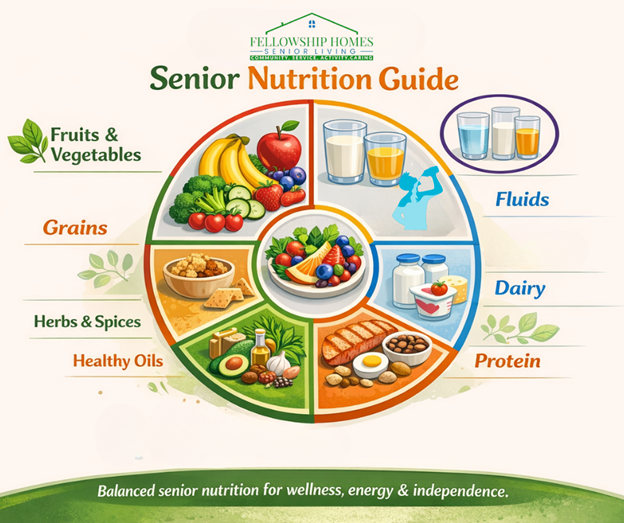
Healthy eating doesn’t require complicated diets or restrictions. Small, consistent choices can have meaningful impact.
Choose foods rich in vitamins and minerals such as leafy greens, berries, lean proteins, whole grains, and healthy fats.
Hydration is crucial for seniors but often overlooked. Water, herbal teas, broths, and high-water foods like fruits help maintain balance.
Protein supports muscle strength, mobility, and healing. Good sources include fish, poultry, beans, yogurt, nuts, and eggs.
Moderation helps protect heart health and manage chronic conditions.
Colorful plates, favorite recipes, and shared meals encourage consistent healthy habits.
These practices help sustain independence and support long-term vitality.
One of the biggest advantages of Senior Living Modesto CA communities is the ability to maintain independence while benefiting from supportive resources. Nutritious meal options, accessible dining spaces, and wellness programming make healthy living more convenient.
For many residents, this balance allows them to focus less on daily logistics and more on enjoying hobbies, friendships, and meaningful activities.
Nutrition becomes part of a broader wellness lifestyle rather than a standalone responsibility.
At Fellowship Homes, the focus extends beyond housing — it centers on quality of life. Encouraging healthy choices, social engagement, and independence creates an environment where residents can thrive physically, emotionally, and socially.
Whether through community meals, wellness initiatives, or simply fostering connection, the goal remains the same: supporting an active, fulfilling senior lifestyle in Modesto.
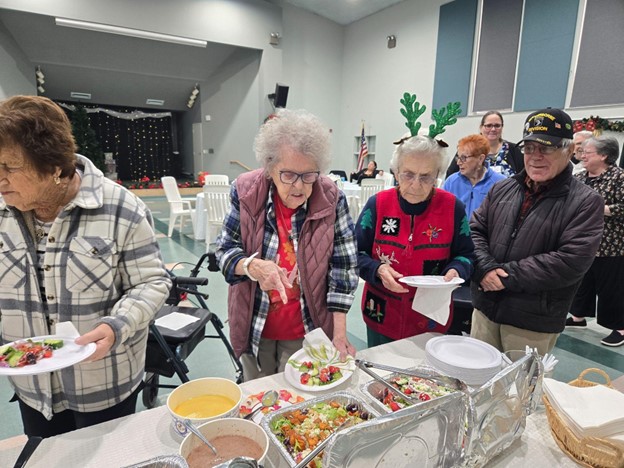
As parents age, many families find themselves navigating new questions and emotions. Adult children want to ensure their loved ones are safe, supported, and happy—while also respecting their independence and personal choices. Finding the right balance can feel overwhelming, but it doesn’t have to be.
Peace of mind comes from knowing that support is available without taking away autonomy or dignity.
Conversations about support often begin gradually. It may start with noticing changes in routines, energy levels, or daily needs. For many families, the goal isn’t to step in and take over—it’s to understand how to offer help in a way that still honors independence.
Open, respectful dialogue helps:
When everyone feels heard, decisions become less intimidating.
Independence doesn’t disappear with age—it simply evolves. For some, independence means having help with certain tasks while continuing to make personal choices. For others, it means living in a setting where support is nearby if needed.
True independence includes:
Supportive environments can enhance independence rather than limit it.
Many adult children juggle careers, families, and caregiving responsibilities at the same time. Worrying about a loved one’s safety or well-being can take an emotional toll.
Peace of mind often comes from knowing:
This reassurance allows families to focus more on quality time and less on concern.
A setting that supports both independence and connection can help seniors feel confident and secure. When routines, community, and support work together, daily life feels more manageable and enjoyable.
For families, this balance creates reassurance. For seniors, it creates comfort and confidence. Everyone benefits when support feels natural and respectful.
Supporting an aging loved one isn’t about giving up independence—it’s about redefining it together. With thoughtful planning and the right environment, families can find peace of mind while seniors continue to live with confidence, dignity, and choice.

A new year offers a fresh opportunity to focus on habits that support safety, wellness, and independence. For older adults, simple daily routines can make a meaningful difference in overall health, confidence, and quality of life. Establishing consistent, easy-to-follow practices helps reduce risks while promoting comfort and peace of mind.
Here are a few key areas to focus on as you build safe and healthy routines for the year ahead.
Taking medications correctly and on time is one of the most important parts of staying healthy and safe.
Helpful tips include:
Consistency reduces the risk of missed doses, accidental double-dosing, and confusion—especially when multiple medications are involved.
Dehydration is more common than many people realize and can lead to dizziness, fatigue, and confusion.
Simple hydration habits:
Making hydration part of a daily routine helps support energy, digestion, and overall wellness.

Daily movement helps maintain strength, balance, and flexibility, which are key to preventing falls and staying independent.
Safe ways to stay active:
The goal isn’t intensity—it’s consistency. Even small amounts of movement add up over time.
Good sleep supports both physical health and mental clarity.
Healthy sleep routines may include:
Predictable sleep patterns help improve energy levels, mood, and overall well-being.
Social routines are just as important as physical ones. Regular connection supports emotional health and helps reduce feelings of isolation.
Ways to build social habits:
Strong social connections contribute to confidence, joy, and a greater sense of belonging.
Creating routines doesn’t mean changing everything at once. Starting small and building habits gradually is often the most successful approach. Over time, these simple practices can create a safer, healthier, and more fulfilling daily life.
